Author

Ayaz Ahmed V
Last Updated
May 18, 2026
Table of contents
The Problem with Surface Level Design
Design Begins with Intent
From Intent to Action: A Better Approach
What This Looks Like in Practice
Conclusion
Share
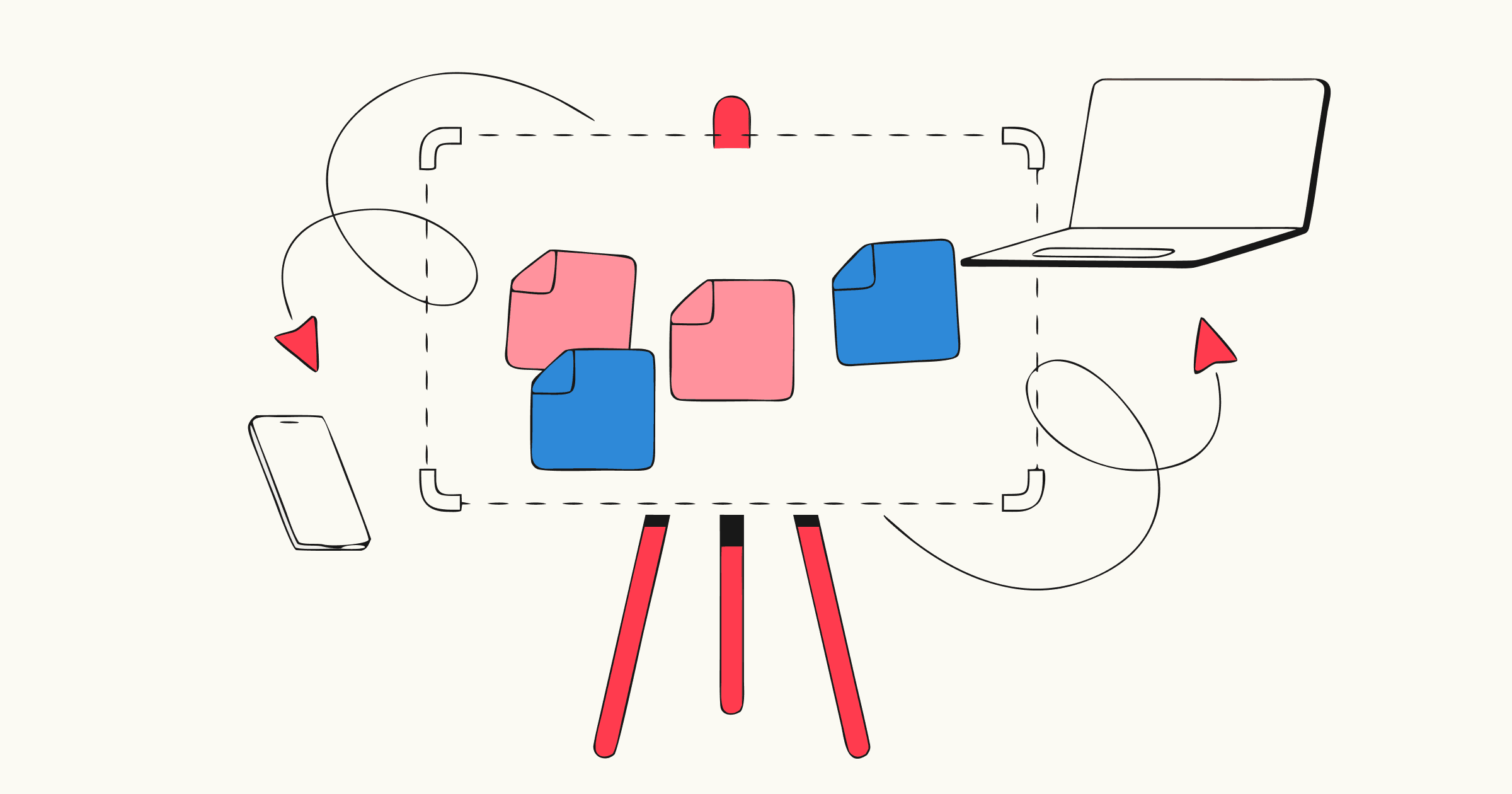
In a digital world filled with visually striking apps and websites, it’s easy to assume that good design is about aesthetics. Smooth animations, bold colors, and modern layouts often get mistaken for quality.
But great design doesn’t begin with visuals.
It begins much earlier, at the moment a user forms an intention.
Before the first click, tap, or scroll, users already know what they want. The real question is: does your design help them get there effortlessly?
The Problem with Surface Level Design
A visually appealing interface can capture attention. But attention alone doesn’t create value.
Users don’t visit products to admire them, they come to accomplish something:
Book a service
Access information
Complete a task
If the path to that goal is unclear or complicated, even the most beautiful design fails.
In fact, poor usability continues to be one of the biggest reasons users abandon digital experiences. Not because the design looks bad, but because it doesn’t work the way users expect.
Design Begins with Intent
Great design starts by understanding why a user is there in the first place.
Every interaction begins with intent:
“I need to find this quickly.”
“I want to complete this without errors.”
“I expect this to be simple.”
When design aligns with that intent, the experience feels natural.
When it doesn’t, users feel friction.
At its core, design is not about interfaces, it’s about enabling decisions.
From Intent to Action: A Better Approach
Designing for intent means shifting focus from “what looks good” to “what works best.”
1. Understand the User’s Goal
Before designing screens, understand behaviors. Research, observation, and real data reveal what users actually need not what we assume they want.
2. Remove Clutter
Every extra step, unclear label, or delayed response creates hesitation. Great design eliminates these moments, making the next action obvious and effortless.
3. Create Flow, Not Features
Users don’t think in features, they think in outcomes. Design should guide them seamlessly from start to finish without unnecessary complexity.
4. Build for Scale
As products grow, so do user expectations. Consistent design systems ensure that experiences remain intuitive, even as complexity increases.
What This Looks Like in Practice
Across industries, the impact of intent-driven design is clear:
Complex dashboards become decision-making tools, not data overloads
Information-heavy apps turn into guided, easy-to-follow journeys
Enterprise workflows shift from slow processes to efficient actions
In each case, the transformation isn’t visual it’s functional.
The experience becomes easier, faster, and more meaningful.
The Real Value of Great Design
When users don’t have to think too hard, they trust more.
When actions feel effortless, they engage more.
When experiences work seamlessly, they return.
This is the true outcome of great design: Not just usability, but confidence and continuity.
Conclusion
Great design doesn’t start with colors, layouts, or components.
It starts before the first interaction, at the point of user intent.
Because when design understands intent,
action becomes natural.
And when action becomes natural,
experience becomes powerful.
If your users are thinking too much,
your design is doing too little.
Subscribe to our newsletter
Stay up to date on model performance, GPUs, and more.
Related Blogs
Read more from our blogs
SEPTEMBER 24, 2026
Design Process
Why Great Design Starts Before the First Action
SEPTEMBER 24, 2026
UX Careers
Hiring a UX designer in India offers unmatched value in today's digital economy
SEPTEMBER 24, 2026
Psychology and UX
Human-Centered Design Services: Building Products People Actually Love
SEPTEMBER 24, 2026
Psychology and UX
Design thinking revolutionizes UX services worldwide